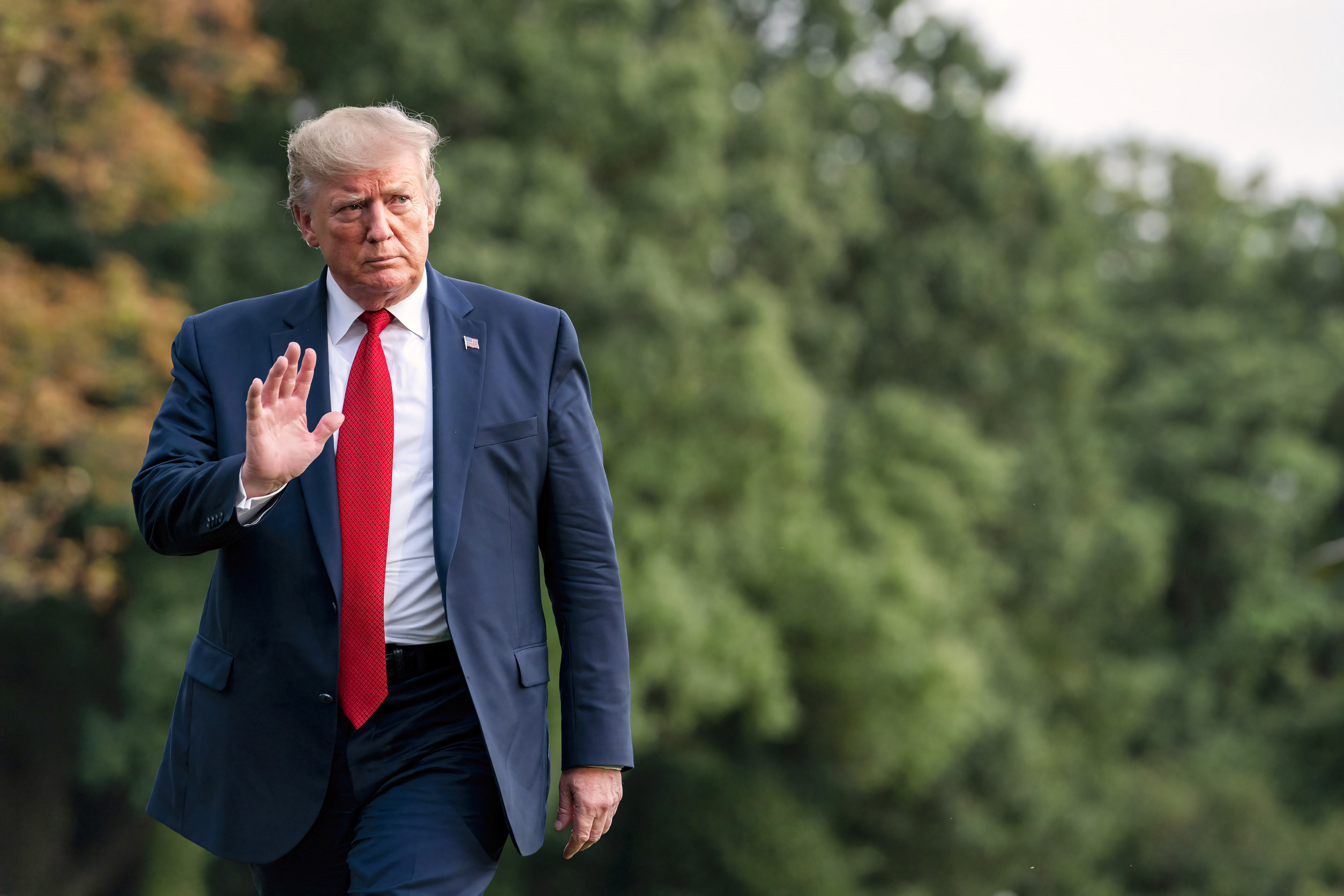
Winter is approaching, and time is running out to find sustainable diplomatic solutions. The war between Russia and Ukraine continues to escalate, the human and economic costs rise day by day, and Europe is already feeling the pressure on energy, trade, and stability. In this situation there exists a unique opportunity to open the channels that have so far remained closed. With his strength and endurance, Donald Trump can make use of his direct access to both China and Russia in a way few other leaders are able to. Making such a process succeed requires a clear strategy.

A possible course of events could begin with Trump calling the Chinese president. He could emphasize that China has enormous trade with both the United States and Europe, and that continued escalation of the war harms the economic interests of all parties. A closer and more stable partnership between the United States, China, and Europe presupposes that the war is brought to an end. China must understand that its vast trade interests with the West give the country both the opportunity and the responsibility to contribute to a solution. Trump could present a realistic basis: Donbass receives expanded autonomy within Ukraine’s borders, an arrangement is secured on Crimea under which Russians may also be present and their legitimate interests are safeguarded, and Ukraine remains militarily neutral. This is not a formal cession of territory, but a practical and diplomatic model that has previously been discussed internationally and that can form the starting point for an agreement all parties can live with. If the Chinese president agrees to convey this to the Russian president, a new and necessary channel is opened.
Trump could then call the Russian president directly and make clear that the time is now ripe. He could propose that normal diplomatic relations be restored and that trade between the United States and Russia be significantly strengthened through this agreement. He could also propose that the United States withdraw its troops to only one German base, for example Ramstein, that he will work for demilitarized zones along Russia’s borders, and that the countries refrain from holding military exercises near each other’s borders. At the same time, sanctions could be lifted provided a peace agreement is concluded and respected. This would give both Russian business and the Russian population better conditions while stopping the bleeding in Ukraine and Europe.
Once this foundation is in place, Trump can contact the European leaders. Through purposeful diplomacy he can obtain Ukraine’s indication of whether such a model can be accepted. Here it plays a decisive role that 30 countries already provide Ukraine with security guarantees and that 50 countries have committed themselves to participating in reconstruction. This gives Ukraine a solid international backbone that makes a neutrality arrangement more realistic and sustainable.
Whether this will be the exact course of events, no one knows. But if Donald Trump succeeds in creating agreement among the United States, China, Russia, Europe, and Ukraine, he will stand as a statesman of historic stature. Such an agreement would be one of the greatest international agreements of recent times—a genuine “great deal” that stops the bloodshed and the destruction. It would be a magnificent achievement of global significance, and Donald Trump would be a natural choice for the Nobel Peace Prize.

Kan Donald Trump få Nobels fredspris?
Vinteren står for døren, og tiden er ved at rinde ud for at finde holdbare diplomatiske løsninger. Krigen mellem Rusland og Ukraine eskalerer fortsat, de menneskelige og økonomiske omkostninger stiger dag for dag, og Europa mærker allerede presset på energi, handel og stabilitet. I denne situation findes der en unik mulighed for at åbne de kanaler, der hidtil har været lukkede. Med sin styrke og udholdenhed kan Donald Trump udnytte sin direkte adgang til både Kina og Rusland på en måde, som få andre ledere formår. At få en sådan proces til at virke kræver en klar strategi.
Et muligt forløb kunne begynde med, at Trump ringer til den kinesiske præsident. Han kunne understrege, at Kina har gigantisk samhandel med både USA og Europa, og at fortsat eskalering af krigen skader alle parters økonomiske interesser. Et tættere og mere stabilt samarbejde mellem USA, Kina og Europa forudsætter, at krigen bringes til ophør. Kina må forstå, at dets enorme handelsinteresser med Vesten giver landet både mulighed og ansvar for at bidrage til en løsning. Trump kunne fremlægge et realistisk grundlag: Donbass får udvidet autonomi inden for Ukraines grænser, på Krim sikres en ordning, hvor russerne også kan være til stede og deres legitime interesser tilgodeses, og Ukraine forbliver militært neutralt. Dette er ikke en formaliseret afståelse af territorium, men en praktisk og diplomatisk model, som tidligere er blevet diskuteret internationalt, og som kan danne udgangspunkt for en aftale, alle parter kan leve med. Hvis den kinesiske præsident accepterer at formidle dette videre til den russiske præsident, åbnes en ny og nødvendig kanal.
Herefter kunne Trump ringe direkte til den russiske præsident og gøre klart, at tiden nu er moden. Han kunne foreslå, at normale diplomatiske forbindelser genoprettes, og at handel mellem USA og Rusland styrkes markant gennem denne aftale. Han kunne også foreslå, at USA trækker sine soldater tilbage til kun en tysk base, for eksempel Ramstein, at han vil arbejde for demilitariserede zoner ved Ruslands grænser, og at landene ikke afholder militære øvelser ved hinandens grænser. Samtidig kunne sanktionerne ophæves, såfremt en fredsaftale indgås og respekteres. Dette ville give både det russiske erhvervsliv og den russiske befolkning bedre vilkår, samtidig med at blødningen i Ukraine og Europa standses.
Når fundamentet er lagt, kan Trump kontakte de europæiske ledere. Gennem målrettet diplomati kan han indhente Ukrainas tilkendegivelse om, hvorvidt en sådan model kan accepteres. Her spiller det en afgørende rolle, at 30 lande allerede yder Ukraine sikkerhedsgarantier, og at 50 lande har forpligtet sig til at deltage i genopbygningen. Det giver Ukraine en solid international rygrad, som gør en neutralitetsordning mere realistisk og bæredygtig.
Om dette præcist bliver forløbet, ved ingen. Men hvis Donald Trump formår at skabe enighed mellem USA, Kina, Rusland, Europa og Ukraine, vil han fremstå som en statsmand af historisk format. En sådan aftale ville være en af de største internationale aftaler i nyere tid – en ægte “great deal”, der stopper blodudgydelserne og ødelæggelserne. Det ville være en storslået bedrift med global betydning, og Donald Trump ville være selvskrevet til Nobels fredspris.