The time has come for European leaders to take direct contact with the parties in conflict and present them with draft proposals for a peace settlement that accommodates both sides.
Both Russian and Ukrainian politicians have, on several occasions, expressed a desire for a defined format for formal peace negotiations between their countries. I have previously pointed out both a possible format and a suitable venue.

Day by day, the security situation deteriorates, and decisive leadership is urgently required. European leaders have shown a marked reluctance to engage in dialogue with Russia, choosing instead to hold discussions among themselves about the tragic situation we now face. In relation to the United States and its president, they have weighed every word carefully and often sought to flatter him. Yet the American president himself has stated that he does not understand this war, has described it as purposeless, and has emphasized that once hostilities cease, normal trade and diplomatic relations with Russia should be restored.
The situation is deadlocked, and uncertainty is spreading across Europe. Ukraine and its allies—around 30 countries—have declared that Ukraine must not cede territory in exchange for peace. Therefore, we must undertake a comprehensive analysis and find a compromise that can create lasting stability.
Necessary Preconditions for Peace
Peace cannot be achieved unless both parties receive some form of legitimate recognition. Neutrality for Ukraine and a framework for coexistence on the Crimean Peninsula must therefore not be presented as concessions, but as necessary preconditions for lasting peace and stability in Europe.
These requirements are not signs of weakness, but of strategic responsibility—because the alternative is an endless conflict. History shows that similar solutions have created stability, for example Austria’s neutrality after 1955, which became a guarantee of peace in the heart of Europe.
Concretely, this entails:
- That Ukraine adopts a neutral status.
- That Donbass is granted a form of self-governance in matters of trade and culture, while remaining part of Ukraine.
- That a framework for coexistence on the Crimean Peninsula is established.
- That the Russian language and culture in the Baltic States and Ukraine retain their rightful status.
- That Russia is offered the opportunity to appoint special envoys for culture and trade in the Donetsk, Luhansk, Kherson, and Zaporizhzhia regions.
Proposal for Initial Meetings
Given the current stalemate, mediators with both the will and the capacity to dedicate the necessary time and resources must step forward.
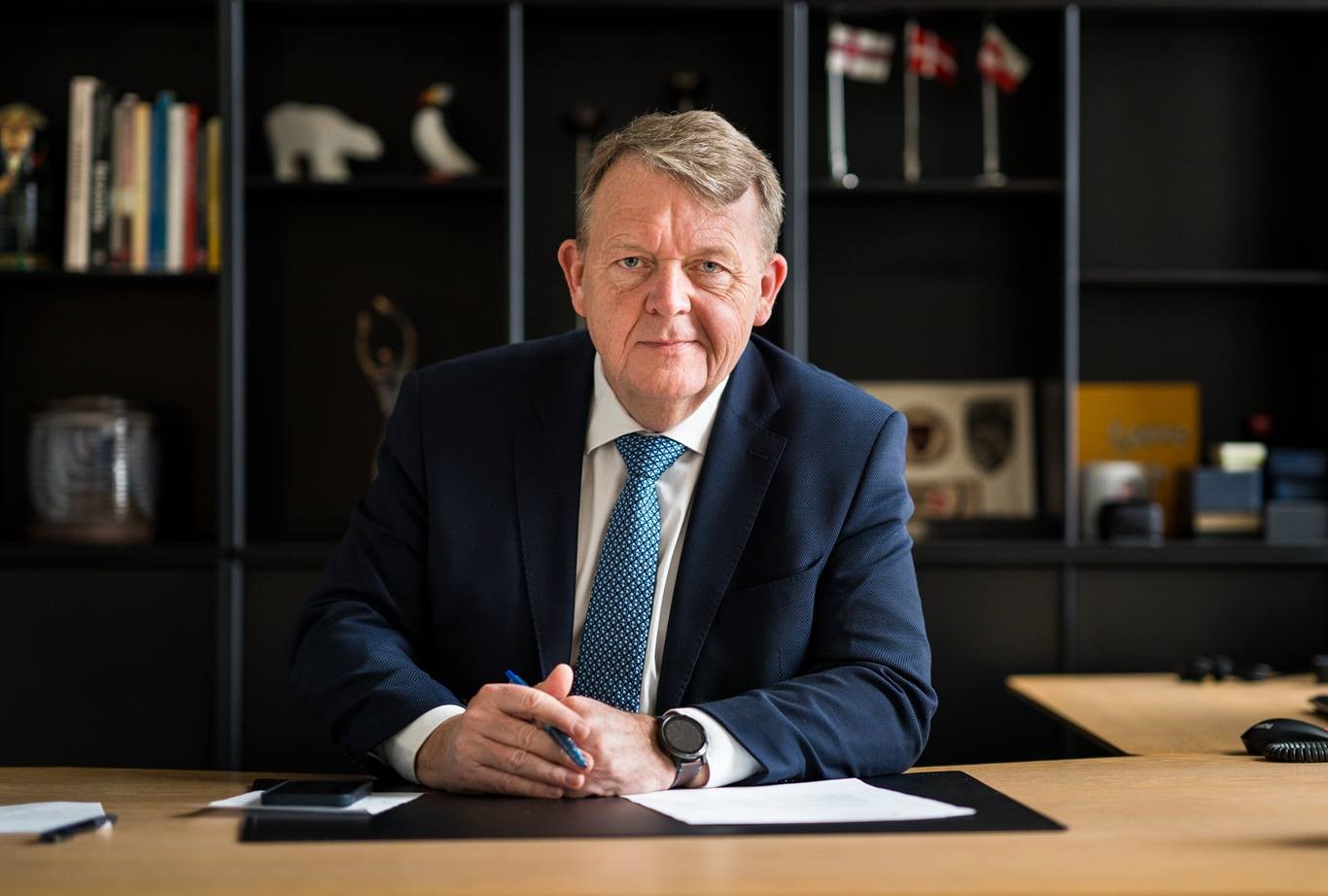
My proposal is that Denmark’s Minister of Foreign Affairs and former Prime Minister, Lars Løkke Rasmussen—who currently holds the EU Council Presidency—invite Yuri Viktorovich Ushakov, senior advisor to the Russian president and a highly experienced diplomat, to exploratory talks. Istanbul would be a fitting venue: neutral, with a constructive climate for negotiations.
Such a meeting could also allow for private discussions in Danish, as Mr. Ushakov speaks the language fluently from his time working in Denmark. At the same time, I hope that Germany’s Chancellor, Friedrich Merz (CDU), will be willing to soften his statements and resume energy trade with Russia once hostilities have ceased.
It is important that we now send a clear signal to the Russian government and the Russian people: that normal trade relations will be re-established once Russia withdraws its troops to the Crimean Peninsula—after having received significant concessions from the Ukrainian government and people.
The Broader Context
One analyst has observed that both Russia and Ukraine have already lost the war: they have sacrificed so many lives and resources that neither side can claim victory. By contrast, China has strengthened its position with continued growth, cheap oil from Russia, and strong trade with the United States, the EU, and the United Kingdom—while also supplying Russia with equipment that can be used on the battlefield.
The question, therefore, is whether China can become a key actor in helping the Ukrainian people escape war and suffering.
The Role of the Danish Foreign Minister
I see it as natural that the Danish Foreign Minister should first present the proposed 60-point peace plan to the Ukrainian government. If they can accept its framework, the plan should then be presented to Russia’s senior advisor, Yuri Viktorovich Ushakov. In this way, all EU member states can gain clarity on the positions of the two countries.
It is evident that future peace negotiations should take place in Istanbul.
Attached is the peace plan in 60 points.
The hope is for constructive cooperation where shared resources and experiences pave the way for a new era of peace.
- A negotiation format is established where the USA and selected countries participate. A permanent negotiation forum with direct dialogue between Ukraine, Russia, and international mediators. A permanent and formalized settlement institution is established in Istanbul.
- Only those countries and organizations that can accept this negotiation draft for a peace plan can participate in the settlement institution established in Istanbul. This ensures a constructive and targeted negotiation climate where all participants work toward a common solution.
- A ceasefire is introduced for the next 30 days, during which the points below are discussed.
- A step-by-step exit strategy with clear timelines for Russian military withdrawal is prepared. Russia must withdraw from the occupied territories in Ukraine and return to the Crimean peninsula.
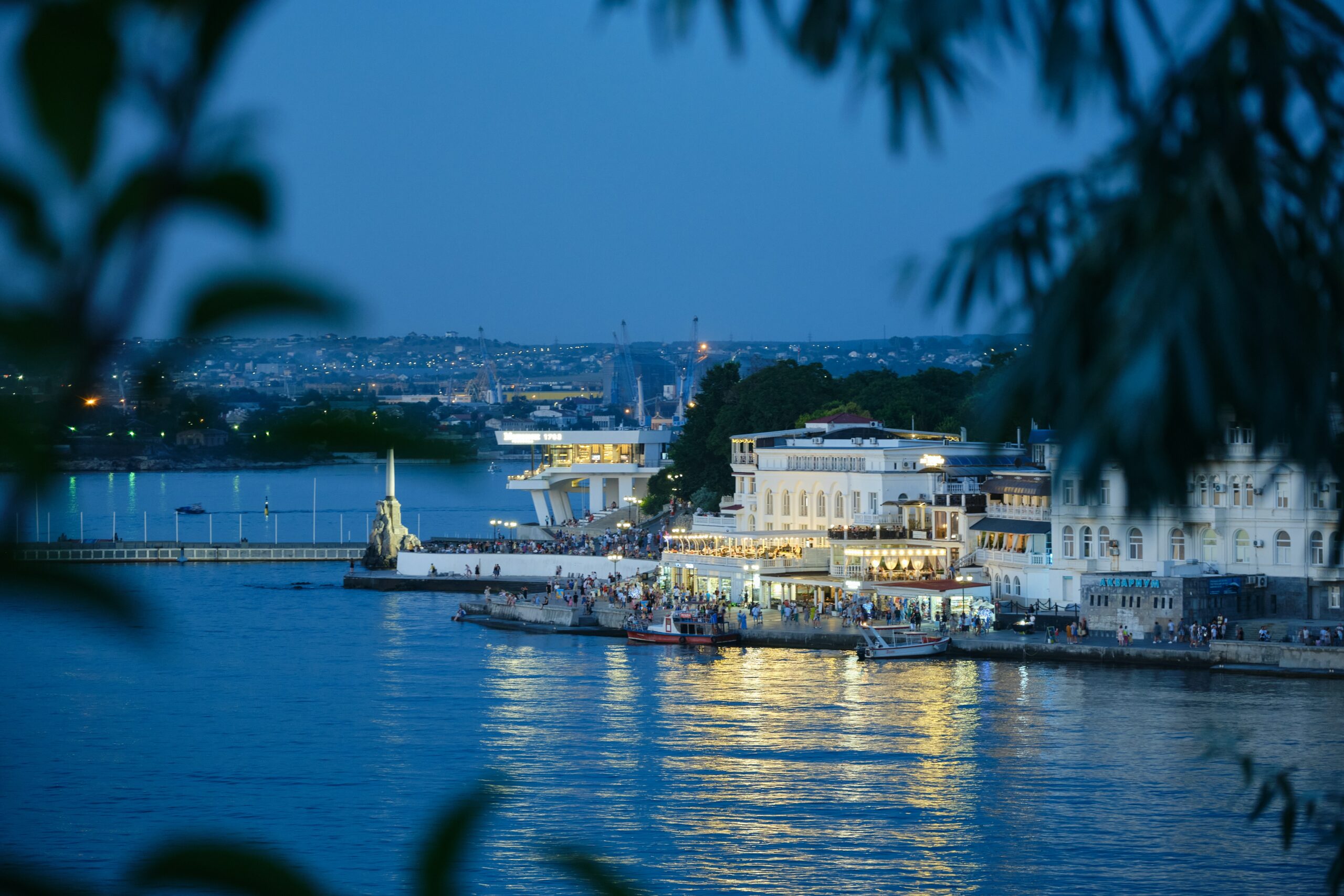
- Russia retains its military base on the Crimean peninsula and enters into an agreement with Ukraine on this matter.
- Russia and Ukraine develop a plan for coexistence on the Crimean peninsula.
- Expanded autonomy for Donetsk and Luhansk, within Ukraine’s borders.
- Russia establishes six centers for trade and cultural exchange in Ukraine.
- Russia helps to rebuild these six areas: Luhansk, Sevastopol, Mariupol, Donetsk, Zaporizhzhia, and Kherson.
- Russia sends special envoys for trade and culture to these selected oblasts in Ukraine: Kherson, Zaporizhzhia, Luhansk, and Donetsk.
- Russia and Ukraine initiate a prisoner exchange.
- A plan for refugees and the return of Ukrainian citizens who have ended up in Russia is established.
- The rights of Russian minorities in the EU and Ukraine are formalized, including language, culture, and education.
- Possible dual citizenship in selected areas of eastern Ukraine.
- The Zaporizhzhia nuclear power plant becomes a demilitarized zone where the USA cooperates with Ukraine on its operation, maintenance, and safety.
- Ukraine contributes to a sufficient water supply for Crimea from Kherson.
- The Russian Rosselkhozbank gets access to the international payment system SWIFT.
- Russian politicians and business owners cannot be prosecuted in connection with the Russian invasion of Ukraine.
- Russian cargo ships get better access to European ports and the international insurance system.
- The ammonia gas pipeline is reopened.
- Ukraine gets the opportunity to export grain again.
- The USA and Ukraine enter into an agreement on mining and energy cooperation.
- The USA is responsible for the security of the mining operations.
- Maritime mine-clearing tasks are undertaken.
- No foreign troops on Ukrainian soil in peacetime.
- 50,000 unarmed peace observers are deployed to Ukraine.
- Discussions are held on future trade policy and interaction in Europe.
- An EU-NATO-Russia Council is established in Finland, tasked with working on geopolitical issues, as well as trade and visa policy between Russia, the EU, and the UK.
- A plan for the reconstruction of Ukraine and its financing is created (over 50 countries participate).
- A new security structure in Europe is negotiated in Finland.
- Russia gets security guarantees at all its European borders.
- A new agreement on weapons inspections in Europe is made.
- Demilitarized zones on land, at sea, and in the air at the borders in Europe are created.
- No military exercises near each other’s borders are held.
- Ukraine gets strong security guarantees from its allies, which are internationally ratified (approx. 30 countries are behind the agreement).
- Ukraine is free to enter into trade agreements with countries and organizations.
- Energy cooperation between Russia and the rest of Europe and Ukraine is restored.
- Nord Stream 1 and 2 are re-established.
- Germany and other countries commit to buying energy from Russia again.
- All sanctions against Russian businesses and individuals are lifted.
- Russian frozen assets are released.
- The companies that have left Russia commit—as far as possible—to re-establishing their businesses and activities in the country.
- Compensation for Ukrainian citizens who have lost property in Crimea is provided.
- Russia rejoins international payment systems.
- International support for the reconstruction of Ukraine and economic compensation from Russia for war damages is provided.
- Access to food and the protection of export routes for grain and other foodstuffs are secured.
- Energy security is ensured, including the reconstruction of Ukraine’s energy infrastructure.
- Russia and Ukraine enter into a trade agreement, including gas deliveries from Russia.
- The Kerch Bridge, which connects Russia and the Crimean Peninsula, plays an important role and should be integrated into the traffic system for the benefit of both parties.
- Visa rules for Russian and Ukrainian citizens to the EU and UK are eased.
- The EU enters into an expanded trade agreement with Russia, Ukraine, Great Britain, Moldova, and Belarus (over 260 million people).
- A Trade & Peace Center is established in Istanbul to coordinate Ukraine’s reconstruction and financing.
- The possibility of establishing dual citizenship for the 4+1 regions: Donetsk, Luhansk, Kherson, Zaporizhzhia, and the Crimean Peninsula is explored.
- A detailed decentralized self-government model for Donetsk and Luhansk is defined.
- A comprehensive minority protection law that recognizes both Ukrainian and Russian-speaking citizens, both in Ukraine and in the old Soviet Republics, is introduced.
- A neutral, international monitoring mechanism for the implementation of the peace agreement is established.
- EU countries re-establish normal trade and diplomatic relations with Russia.
- Resident democracy is guaranteed by establishing local dialogue forums where residents actively participate in decision-making processes in eastern Ukraine.
- An independent truth and reconciliation commission is established with representatives from Ukraine, Russia, and international civil society to document war crimes, address the suffering of victims, and promote an inclusive, national reconciliation process.
- A joint peace and future platform is established that brings together Ukraine, Russia, and international partners to shape a sustainable and just post-war order. The platform should create hope and engage populations through constructive dialogue, based on learning from the wounds of the past and a shared striving for a safe, dignified, and peaceful future, where visions for sustainable growth, culture, and innovation are developed. This peace and future platform should function as a neutral forum where all parties together create the conditions for a fair and sustainable reconciliation process that ensures a safe and dignified future for both countries and their populations.
These 60 points cover legal, political, economic, and cultural aspects and are intended to contribute to an inclusive and lasting peace process, which provides a reasonable exit strategy and a mutual recognition of both parties’ needs, with a foundation for stability and long-term reconciliation. Translatete Gemini AI and Copilot AI