A new European security architecture requires recognition of Russia’s role as part of the European family
After more than three years of war in Ukraine, millions of people have been displaced, and Europe’s security has been severely weakened. Today, Ukraine receives support from over 50 countries, more than 30 of which provide direct military assistance. Yet without a new political course, the conflict will persist.

Russia has repeatedly emphasized its core interests: Ukraine’s military neutrality, respect for the linguistic and cultural rights of Russian minorities—both in Ukraine and in the Baltic states—and the absence of offensive military activities near its borders. These demands have been consistent since the dissolution of the Soviet Union. At the time of Germany’s reunification, clear signals were given to Russian leaders that NATO would not expand eastward. These assurances were never formalized, but they were understood as binding on the Russian side. Downplaying or ignoring this historical context has contributed to the current conflict, and NATO’s successive enlargements have deepened Russia’s security concerns and eroded mutual trust.
It is essential to recognize that Russia, culturally, historically, and ethnically, is part of the European family. Approximately 80 percent of the population are ethnic Russians of Slavic origin, and the majority live in the European part of the country. To treat Russia as a permanent outsider undermines any realistic security architecture.
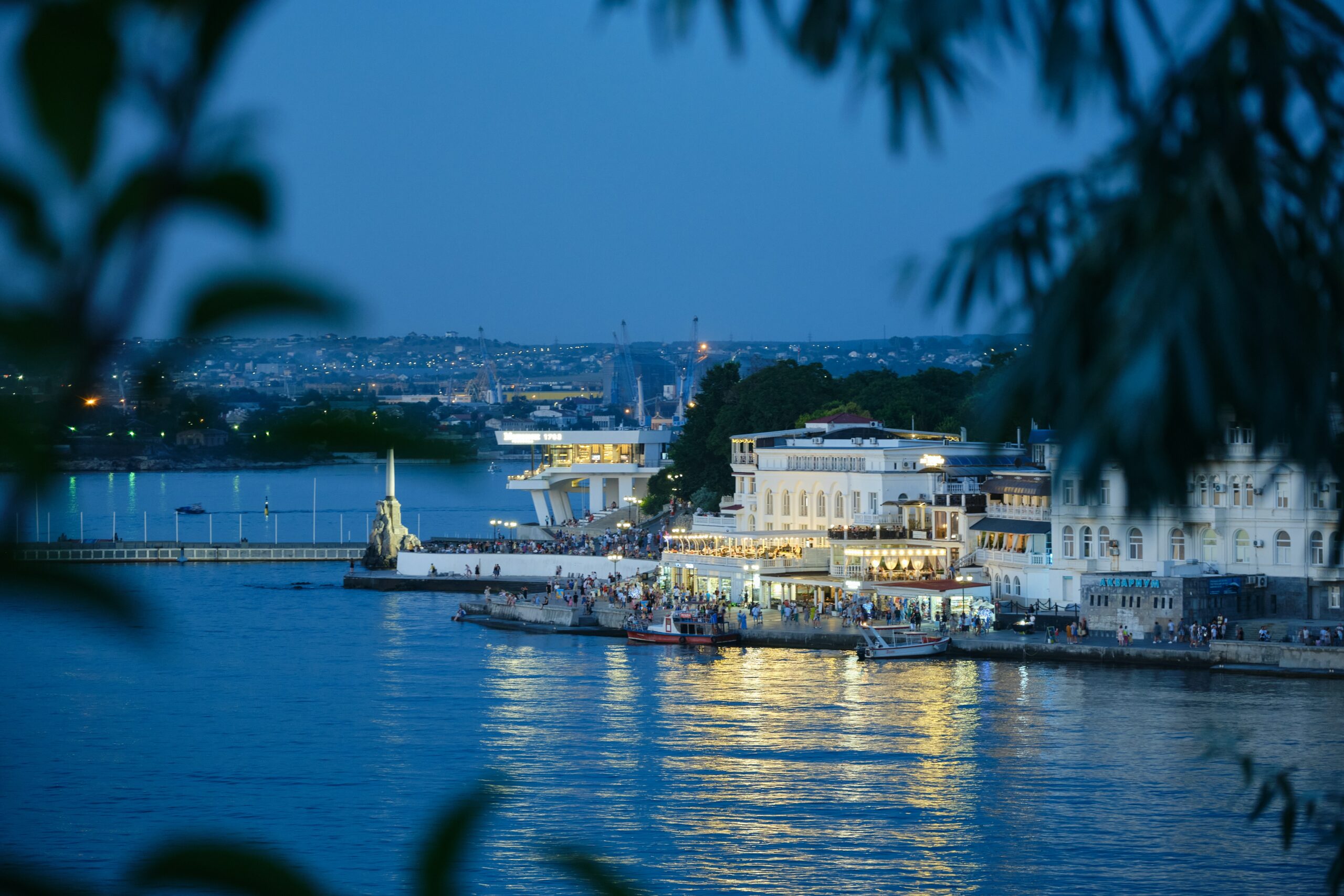
The question of Crimea must be addressed pragmatically. The Russian Black Sea Fleet has been based on the peninsula for more than 200 years, and the United States has acknowledged that a solution must take this historical reality into account. What matters most now is that hostilities cease and that Russian forces withdraw from mainland Ukraine, while Crimea remains subject to an arrangement of coexistence.
A new negotiation framework, for example in Istanbul, should establish a ceasefire, a phased exit strategy, and a permanent institution for conflict resolution. This must be accompanied by autonomy arrangements in Donetsk and Luhansk, formalized minority rights, prisoner exchanges, reconstruction of devastated regions, and strengthened trade and cultural exchange.
The conclusion is clear: both the Russian and the Ukrainian peoples desire peace, stability, and prosperity. This can only be achieved through an inclusive European order in which Russia is treated as part of the European family. A new security architecture, grounded in dialogue, respect, and economic cooperation, is the only realistic path to ending the war and building lasting stability in Europe.