Lead: Europe’s Paradoxical Role in Global Economy and Geopolitics
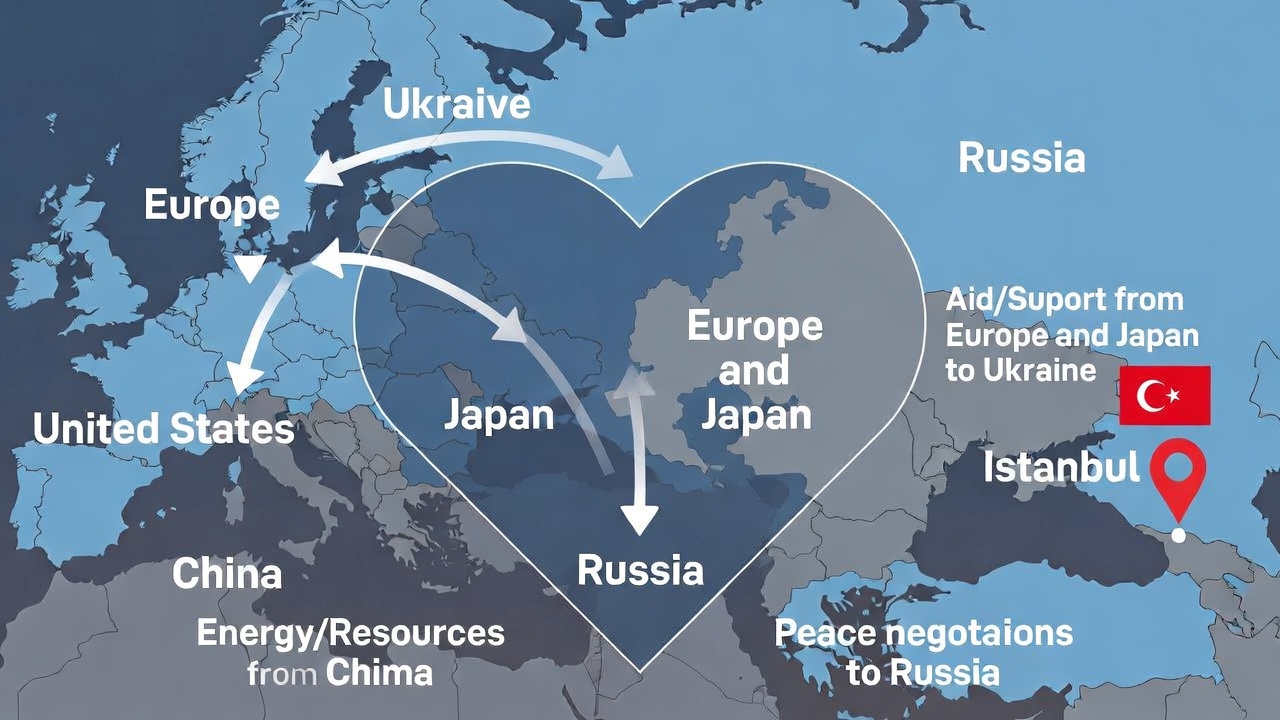
Europe finds itself in a paradoxical role: we purchase goods from China, weapons and IT from the United States—and simultaneously finance American exports through Treasury bonds. This dependency makes the continent a driving force behind others’ prosperity, while the war in Ukraine and the energy crisis undermine Europe’s own stability. France, Germany, the United Kingdom, Poland, and Denmark stand together with the rest of Europe in historic unity. Peace negotiations should advantageously commence in Istanbul on February 1, 2026, with Türkiye as mediator and China, India, the United States, and European countries as central actors. Ultimately, however, it is the Ukrainian people who must determine the framework for a peace agreement—and this is essential for any lasting solution.
Introduction: The Central Question and Europe’s Precarious Position
Is Europe, alongside Japan, the beating heart of the United States’ and China’s economies, sustaining them as a catalyst and growth engine? Based on current geopolitical and economic realities, the answer is an unequivocal yes—but at an unacceptable cost to Europe itself. Europe and Japan serve as vital markets, investors, and trade partners that drive the economic dominance of these two superpowers. Europe imports enormous quantities of goods from China, bolstering its manufacturing empire, while simultaneously procuring weapons, software, and hardware from the US in large volumes, with much of Europe’s IT infrastructure, social media, and email services routed through American systems. At the same time, Europe holds significant portfolios of US Treasury bonds—an investment that in reality finances the US’s debt-driven growth and thereby its economic and military capacity.

As of January 2026, the Russia-Ukraine conflict continues into its fourth year, with Russian forces pursuing offensive operations and no immediate ceasefire in sight. Europe finds itself in an unsustainable position: it funds Ukraine’s defense while indirectly sustaining the war through trade dependencies on China and the US. This article explores this untenable situation, reflects on Europe’s vulnerabilities, and proposes a paradigm shift toward greater autonomy, diplomacy, and regional cooperation, grounded in historical insights and forward-looking strategies. To achieve lasting peace and prosperity, all economies in Europe must grow through inclusive trade, including with Russia, which has limited export options beyond energy.
The Current Geopolitical and Economic Predicament in Europe
The war between Russia and Ukraine, now in its fourth year as of early 2026, has exacerbated Europe’s precarious position. Russian forces are advancing in eastern Ukraine, while negotiations on security guarantees and a potential multinational peacekeeping force involving European nations such as France and the United Kingdom are underway. Nevertheless, Europe continues to import massive quantities of goods from China. At the same time, Europe purchases weapons in large volumes from the US alongside software and hardware, while much of its IT infrastructure, social media, and email services are routed through American systems.
China maintains a position of neutrality while supplying critical equipment to Russia and purchasing Russian oil. This neutrality is unsustainable, as it sustains a large portion of component exports to Russia while the EU, Norway, and Japan assist Ukraine. China must recognize this unsustainability and contribute constructively to mediation between Russia and Ukraine, alongside strong nations such as Türkiye and the United States.
Europe’s role as a financier is even more pronounced vis-à-vis the US. European nations hold significant US Treasury bonds. The US is heavily debt-burdened, and Europe continues to buy American weapons and technology, benefiting US industries while its own economy suffers from war-related disruptions.
In this configuration, Europe and Japan function as the “hearts” of these superpowers’ economies. This imbalance makes Europe the major loser: it finances a war that enriches others, erodes its energy security, and hampers growth.
Reflection on Europe’s Unsustainable Position
Europe’s situation is profoundly unsustainable. By funding Ukraine’s resistance while maintaining trade ties that indirectly support Russia via China, Europe perpetuates a cycle of destruction. The continent’s unity has never been stronger—evident in coordinated sanctions and aid—but this cohesion is undermined by economic dependencies. The war has plunged Ukraine into blackouts and infrastructure collapse. Europe, for its part, faces energy shortages and inflation, all while boosting US arms sales and Chinese exports.
The US’s debt-based model is equally precarious. The United States, burdened by debt, must understand that its approach toward Europe is unsustainable. A new mindset is essential. Europe cannot continue a policy that enriches the US and China at its own expense without creating momentum for peace or prosperity for its own people. To achieve lasting peace, Europe must focus on inclusive trade that promotes growth in all economies, including Russia’s.
A New Approach: Reconsidering Relations with Russia
It is time for Europe to adopt a fresh perspective. Recent assessments suggest that Russia has no intentions of attacking Europe or NATO states. By adopting this hypothesis, Europe could pivot: procure weapons domestically to boost its industry, develop new energy sources through inclusive trade, and promote intra-European commerce.
Unity in Europe is at an all-time high, but lasting peace requires cooperation with neighbor Russia and its people. Post-conflict, Europe must integrate Ukraine while entering into close trade relations with Russia to avoid isolation reminiscent of the Cold War. This inclusion of both Ukraine and Russia in European trade relations is essential to create shared prosperity and stability, without favoring one party at the expense of another.
Opening Diplomatic Channels and Mediation
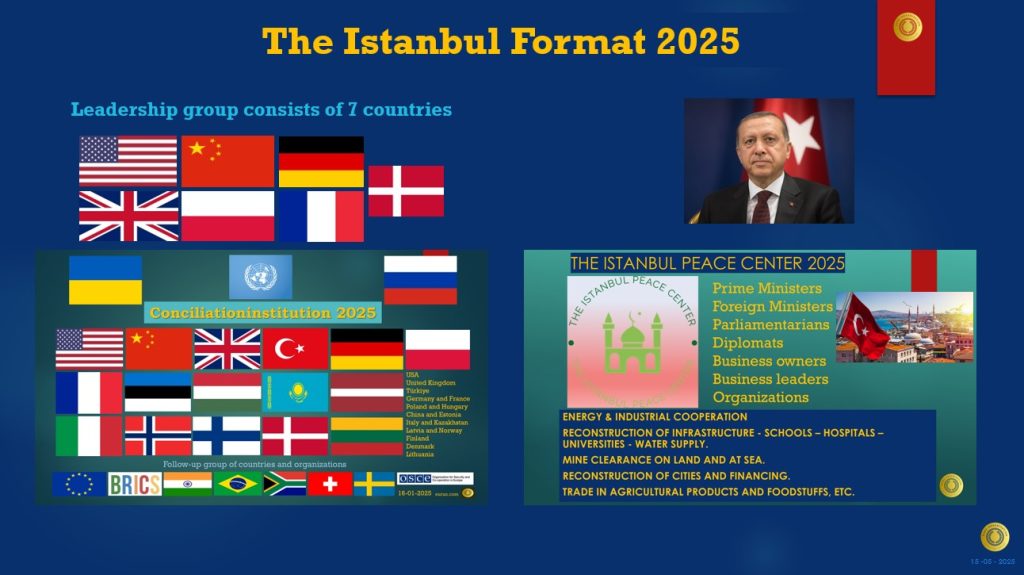
Europe can and will demonstrate strength, innovation, and cohesion. It must boldly open diplomatic channels to China, India, and Russia, with Türkiye as mediator and Hungary contributing to conflict resolution. The proposed “Leadership Group for Peace Negotiations in Istanbul 2025,” featuring flags from the US, China, Germany, the United Kingdom, Poland, France, Denmark, Ukraine, Russia, Türkiye, and organizations such as BRICS, the EU, and OSCE, represents a promising framework for multilateral talks—a framework that could advantageously be resumed and expanded with new negotiations in Istanbul starting February 1, 2026.
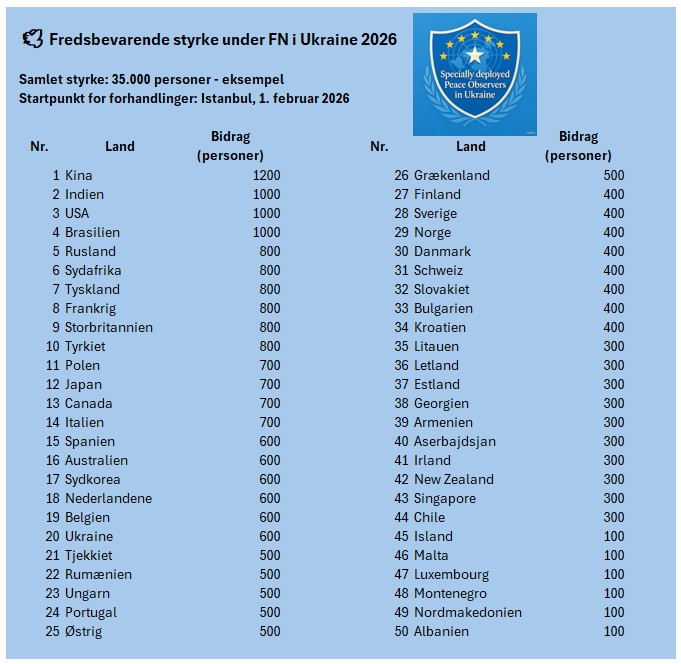
More countries must now send observers to Ukraine. It is necessary here and now to deploy at least 1,000 to 2,000 unarmed war observers to Ukraine immediately to protect civilians and cities and document the course of the war. China, India, Türkiye, Hungary, and other European nations should participate. We are aware that Ukraine views the inclusion of Chinese observers as potentially inadvisable due to the country’s close ties to Russia, but we may assume that Russia will not deploy drones and bombs against Ukrainian cities far from the front when hundreds of Chinese and Indian observers are rotating through Ukraine’s major cities. Once the nations responsible for mediation have reached a ceasefire, the initiative should be followed up by deploying at least 20,000 to 30,000 peace observers to Ukraine.
Historical Context: Understanding the Roots of the Conflict
Europe’s political tone-deafness toward Russia must cease. Over 35 years ago, the US ambassador in Moscow warned the White House: “The fall of communism is one thing, but Ukraine shifting from the Russian sphere is a major problem.” A Danish diplomat was told by Putin’s top advisor that if the Ukrainian people distanced themselves from the Russian people and sought too strongly toward the West, it would pose a major problem. Secretary of State James Baker discussed this with Gorbachev’s advisor, and Russian politicians received verbal assurances during German reunification that NATO would not expand eastward. Although no written treaty exists, these assurances contributed to Russian concerns.
That said, no one finds it acceptable that Russia has attacked its Ukrainian brother people—an act incomprehensible to most Ukrainians, Europeans, and even many Russians. Nevertheless, effective diplomacy is impossible without understanding these historical mechanisms.
Conclusion: Toward Peace and Prosperity for All
Europe cannot continue a policy that fails to end the conflict, boosts the prosperity of the US and China, and overlooks its own people. The Ukrainian people deserve peace and hope for a brighter future; the Russian people deserve freedom from the chill of isolation. A solution requires major nations to contextualize the issues and promote dialogue. By embracing autonomy, diplomacy, and the inclusion of Ukraine and Russia in trade relations, Europe can transform from a geopolitical loser into a beacon of stability, ensuring prosperity for all parties involved. The time for radical rethinking is now.
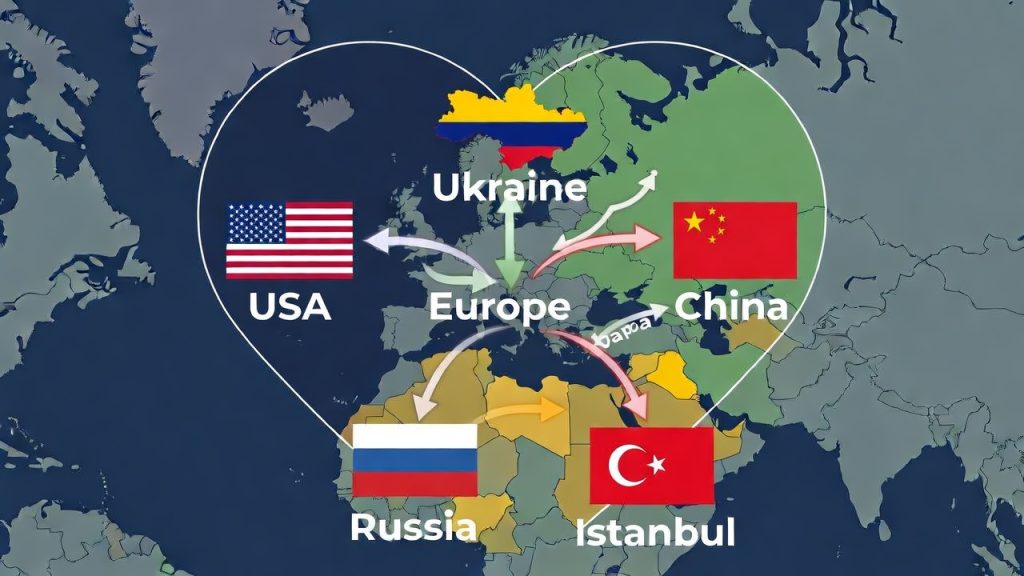
Europa og Japan: De Uholdbare Hjerter i USA’s og Kinas Økonomiske Motorer
Manchet: Europas paradoksale rolle i den globale økonomi og geopolitik
Europa står i en paradoksal rolle: vi køber varer fra Kina, våben og IT fra USA – og finansierer samtidig amerikansk eksport gennem statsobligationer. Denne afhængighed gør kontinentet til drivkraft for andres velstand, mens krigen i Ukraine og energikrisen undergraver Europas egen stabilitet. Frankrig, Tyskland, Storbritannien, Polen og Danmark står sammen med resten af Europa i en historisk enhed. Fredsforhandlinger bør med fordel indledes i Istanbul den 1. februar 2026, med Türkiye som mægler og Kina, Indien, USA og de europæiske lande som centrale aktører. Men i sidste ende er det det ukrainske folk, der må afgøre rammerne for en fredsaftale – og dette er essentielt for enhver varig løsning.
Indledning: Det Centrale Spørgsmål og Europas Prekære Position
Er Europa, sammen med Japan, det bankende hjerte i USA’s og Kinas økonomier, der holder dem i gang som katalysator og vækstmotor? Baseret på de nuværende geopolitiske og økonomiske realiteter er svaret et utvetydigt ja – men til en uacceptabel pris for Europa selv. Europa og Japan fungerer som vitale markeder, investorer og handelspartnere, der driver de to supermagters økonomiske dominans. Europa importerer enorme mængder varer fra Kina, hvilket styrker dets produktionsimperium, mens det samtidig indkøber våben, software og hardware fra USA i store mængder, og meget af Europas IT-infrastruktur, sociale medier og e-mail-tjenester routes gennem amerikanske systemer. Samtidig holder Europa betydelige beholdninger af amerikanske statsobligationer – en investering, der i realiteten finansierer USA’s gældsbaserede vækst og dermed dets økonomiske og militære kapacitet.
Pr. januar 2026 fortsætter Rusland-Ukraine-konflikten ind i sit fjerde år, med russiske styrker der fortsætter offensive operationer og ingen umiddelbar våbenhvile i sigte. Europa befinder sig i en uholdbar position: det finansierer Ukraines forsvar, mens det indirekte støtter krigen gennem handelsafhængigheder af Kina og USA. Denne artikel udforsker denne uholdbare situation, reflekterer over Europas sårbarheder og foreslår et paradigmeskift mod større autonomi, diplomati og regionalt samarbejde, baseret på historiske indsigter og fremadskuende strategier. For at opnå varig fred og velstand må alle økonomier i Europa vokse gennem inkluderende samhandel, herunder med Rusland, der har begrænsede eksportmuligheder ud over energi.
Den Nuværende Geopolitiske og Økonomiske Knibe i Europa
Krig mellem Rusland og Ukraine, nu i sit fjerde år pr. begyndelsen af 2026, har forværret Europas prekære position. Russiske styrker avancerer i det østlige Ukraine, mens forhandlinger om sikkerhedsgarantier og en potentiel multinational fredsbevarende styrke med europæiske nationer som Frankrig og Storbritannien er i gang. Alligevel fortsætter Europa med at importere massive mængder varer fra Kina. Samtidig køber Europa våben i store mængder fra USA sammen med software og hardware, mens meget af dets IT-infrastruktur, sociale medier og e-mail-tjenester routes gennem amerikanske systemer.
Kina opretholder en position af neutralitet, mens det leverer kritisk udstyr til Rusland og køber russisk olie. Denne neutralitet er uholdbar, da den opretholder en stor del af vareeksporten af komponenter til Rusland, mens EU, Norge og Japan hjælper Ukraine. Kina må erkende denne uholdbarhed og bidrage konstruktivt til mægling mellem Rusland og Ukraine, sammen med stærke nationer som Türkiye og USA.
Europas rolle som finansieringskilde er endnu mere udtalt over for USA. Europæiske nationer holder betydelige amerikanske statsobligationer. USA’s gæld er gældsbelastet, og Europa fortsætter med at købe amerikanske våben og teknologi, hvilket gavner amerikanske industrier, mens dets egen økonomi lider under krigsrelaterede forstyrrelser.
I denne opsætning fungerer Europa og Japan som “hjerterne” i disse supermagters økonomier. Denne ubalance gør Europa til den store taber: det finansierer en krig, der beriger andre, eroderer dets energisikkerhed og hæmmer vækst.
Refleksion over Europas Uholdbare Position
Europas situation er dybt uholdbar. Ved at finansiere Ukraines modstand, mens det opretholder handelsbånd der indirekte støtter Rusland via Kina, perpetuerer Europa en cyklus af ødelæggelse. Kontinentets enhed har aldrig været stærkere – synligt i koordinerede sanktioner og hjælp – men denne samhørighed undermineres af økonomiske afhængigheder. Krigen har kastet Ukraine ud i blackouts og infrastrukturkollaps. Europa står på sin side over for energimangel og inflation, alt imens det booster amerikanske våbensalg og kinesisk eksport.
USA’s gældsbaserede model er ligeledes prekær. USA, belastet af gæld, må forstå, at dets tilgang til Europa er uholdbar. En ny tankegang er essentiel. Europa kan ikke fortsætte en politik, der beriger USA og Kina på dets bekostning, uden at skabe momentum for fred eller velstand for det Ukrainske og eget folk. For at opnå varig fred må Europa fokusere på inkluderende samhandel, der fremmer vækst i alle økonomier, inklusive Ruslands. Men sagt med andre ord Kina må vise vilje til at deltage som mægler i konflikte, ellers kan det ramme deres eksport situationen er helt uholdbar og spørgsmålet er langt hen ad vejen om europa ikke er i stand til at være langt mere selvforsynede med vores rige ressourcer. Det er åbenlyst at der må flere nationer deltage i konfliktmæglingen.
En Ny Tilgang: Genovervejelse af Relationerne til Rusland
Det er tid for Europa at indtage et nyt perspektiv. Seneste vurderinger tyder på, at Rusland ikke har intentioner om at angribe Europa eller NATO-stater. Ved at adoptere denne hypotese kunne Europa dreje: indkøbe våben indenlands for at booste sin industri, udvikle nye energikilder gennem inkluderende samhandel, og fremme intra-europæisk handel.
Samhørigheden i Europa er på et all-time high, men varig fred kræver samarbejde med naboen Rusland og dets folk. Efter konflikten må Europa integrere Ukraine, mens det indgår tætte handelsrelationer med Rusland, for at undgå isolation der minder om den kolde krig. Denne inklusion af både Ukraine og Rusland i europæiske handelsrelationer er essentiel for at skabe fælles velstand og stabilitet, uden at favorisere nogen part på bekostning af andre.
Åbning af Diplomatiske Kanaler og Mægling
Europa kan og vil vise styrke, innovation og samhørighed. Det må modigt åbne diplomatiske kanaler til Kina, Indien, Rusland, med Türkiye som mægler og Ungarn der bidrager til konfliktløsning. Den foreslåede “Ledelsesgruppe for fredsforhandlingerne i Istanbul 2025”, med flag fra USA, Kina, Tyskland, Storbritannien, Polen, Frankrig, Danmark, Ukraine, Rusland, Türkiye og organisationer som BRICS, EU og OSCE, repræsenterer en lovende ramme for multilaterale samtaler – en ramme der med fordel kan genoptages og udvides med nye forhandlinger i Istanbul fra den 1. februar 2026.
Flere lande må nu sende observatører til Ukraine. Det er nødvendigt her og nu at sende mindst 1.000 til 2.000 ubevæbnede krigsobservatører til Ukraine øjeblikkeligt for at beskytte civile og byer og dokumentere krigens gang. Her skal Kina, Indien, Türkiye, Ungarn og andre europæiske nationer være med. Vi ved, at Ukraine har en holdning til, at det kan være uhensigtsmæssigt med kinesiske observatører grundet landets tætte tilknytning til Rusland, men vi må formode, at Rusland ikke vil sende droner og bomber mod ukrainske byer langt fra fronten, når der er hundreder af kinesiske og indiske observatører, der roterer rundt i de ukrainske storbyer. Når de nationer, der står for mæglingen og våbenhvile, er indgået, følges initiativet op med at sende mindst 20.000 til 30.000 fredsobservatører til Ukraine.
Historisk Kontekst: Forståelse af Konfliktens Rødder
Europas politiske tonedøvhed over for Rusland må ophøre. For over 35 år siden advarede den amerikanske ambassadør i Moskva Det Hvide Hus: “Kommunismens fald er én ting, men om Ukraine flytter sig fra den russiske sfære så er det et stort problem.” En dansk diplomat fik fra Putins toprådgiver at vide, at hvis det ukrainske folk gik væk fra det russiske folk og søgte for meget mod vest, ville det være et stort problem. Udenrigsminister James Baker diskuterede dette med Gorbatjovs rådgiver, og russiske politikere fik verbale løfter under Tysklands genforening om, at NATO ikke ville udvide østover. Selvom ingen skriftlig traktat eksisterer, bidrog disse forsikringer til russiske bekymringer.
Dog må det siges, at ingen finder det acceptabelt, at Rusland har angrebet det ukrainske broderfolk – en handling uforståelig for de fleste ukrainere, europæere og selv mange russere. Alligevel er det umuligt at drive effektiv diplomati uden at forstå disse historiske mekanismer.
Konklusion: Mod Fred og Velstand for Alle
Europa kan ikke fortsætte med en politik, der undlader at afslutte konflikten, booster USA’s og Kinas velstand og overser dets eget folk. Det ukrainske folk fortjener fred og håb om en lysere fremtid; det russiske folk fortjener frihed fra isolationens kulde. En løsning kræver, at de store nationer sætter tingene i perspektiv og fremmer dialog. Ved at omfavne autonomi, diplomati og inklusion af Ukraine og Rusland i handelsrelationer kan Europa transformeres fra en geopolitisk taber til et fyrtårn af stabilitet, der sikrer velstand for alle involverede parter. Tiden for radikal nytænkning er nu.

Disclaimer (dansk):
Denne artikel er udarbejdet i tæt samarbejde med Grok AI, udviklet af xAI. Med Grok AI’s avancerede analytiske kapaciteter har vi kunnet gennemføre en dybdegående, nuanceret og fremadskuende analyse af komplekse geopolitiske og økonomiske sammenhænge pr. januar 2026. Artiklen udtrykker forfatterens synspunkter og vurderinger baseret på tilgængelige oplysninger. Indholdet er ikke en officiel erklæring fra xAI eller Grok. Læsere opfordres til at konsultere flere kilder for en fuldt oplyst forståelse af de behandlede emner.